In Switzerland, to Laugh, Get Lost, and Find Each Other at HCIM 2026
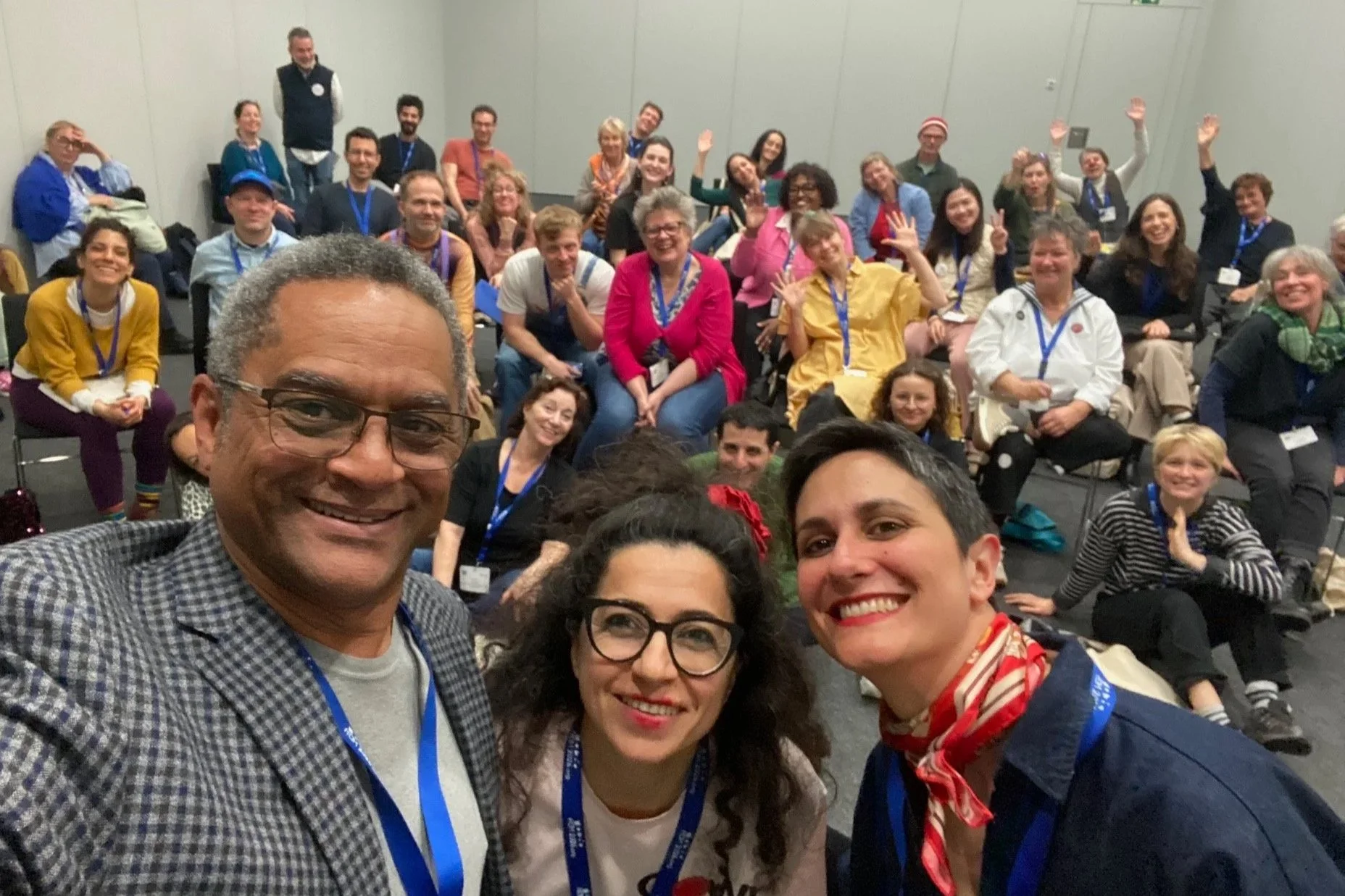
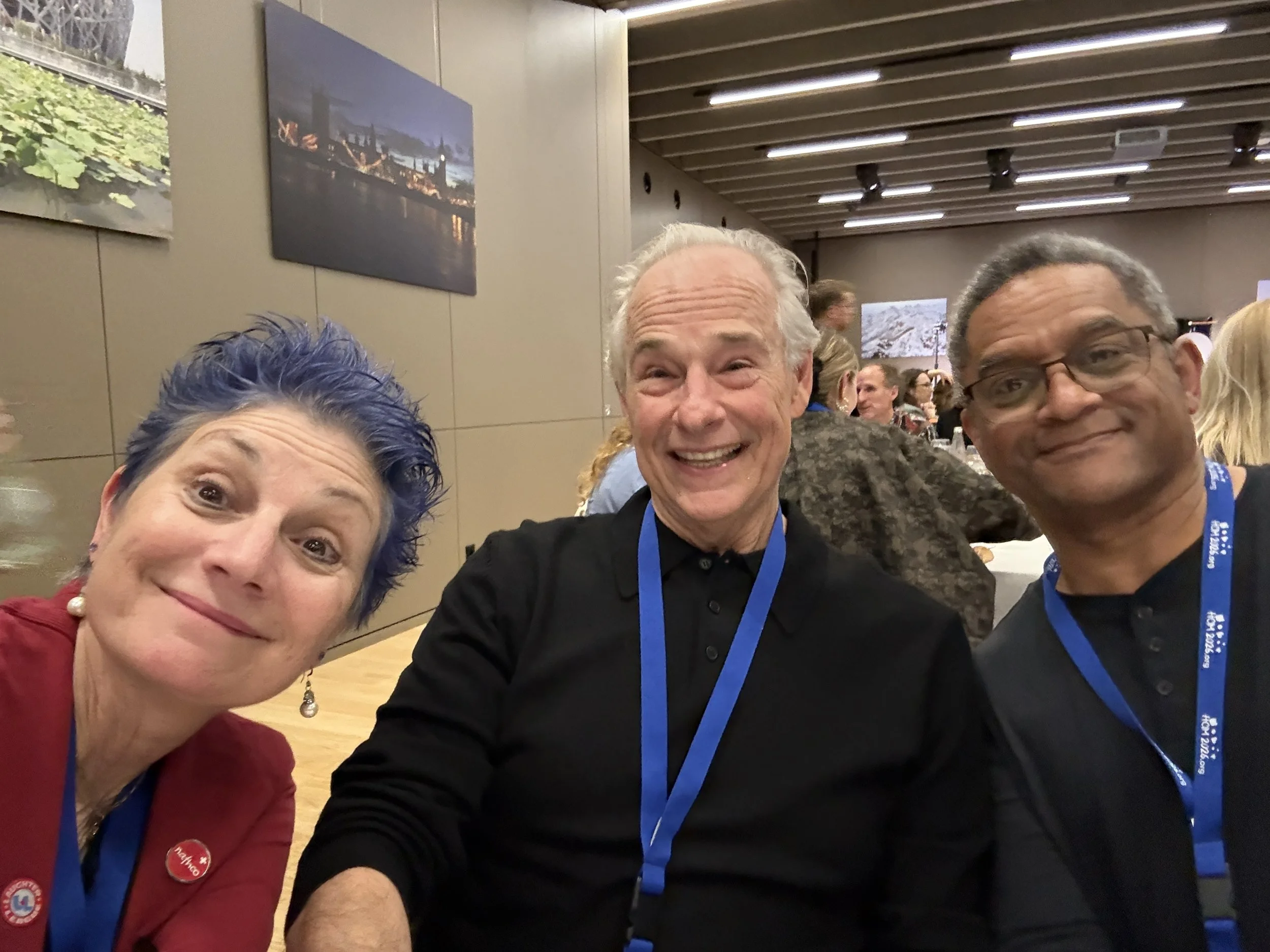
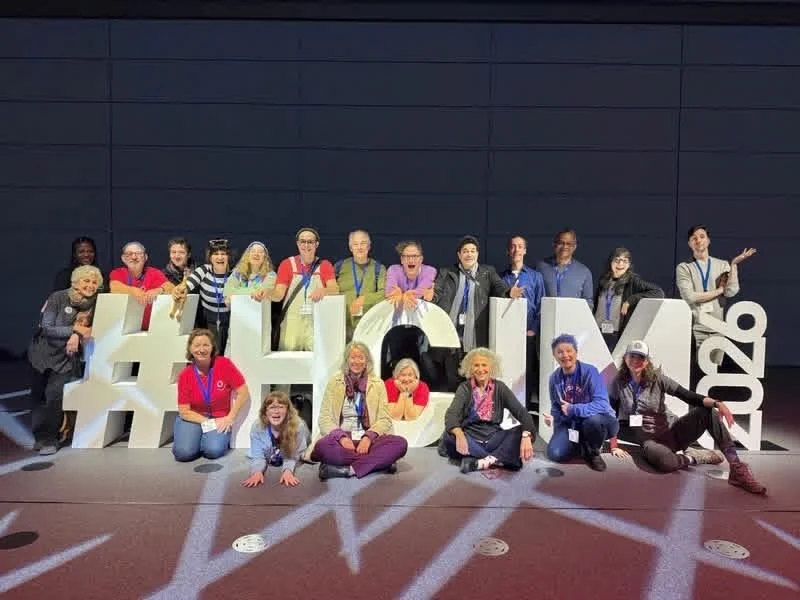
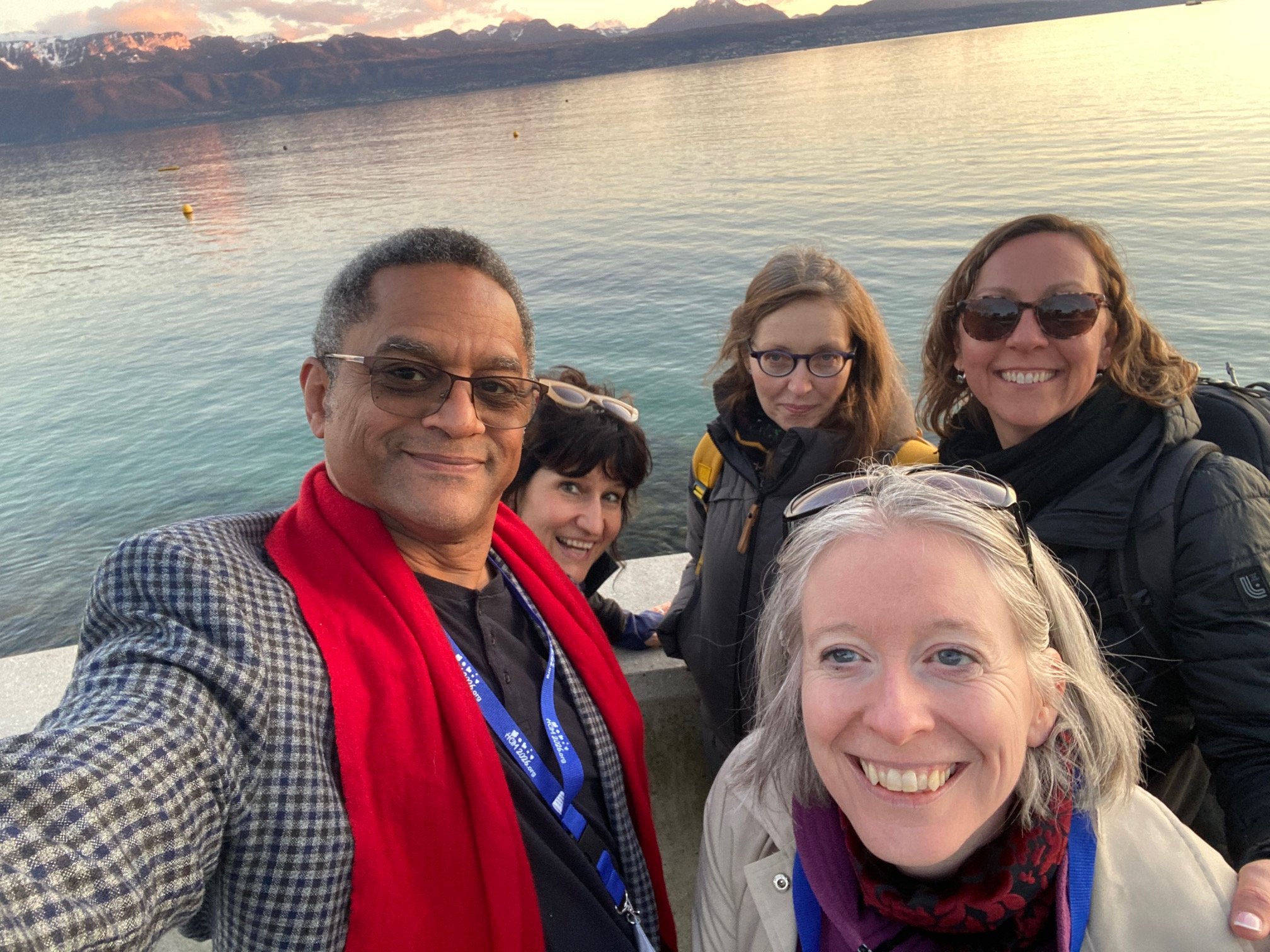
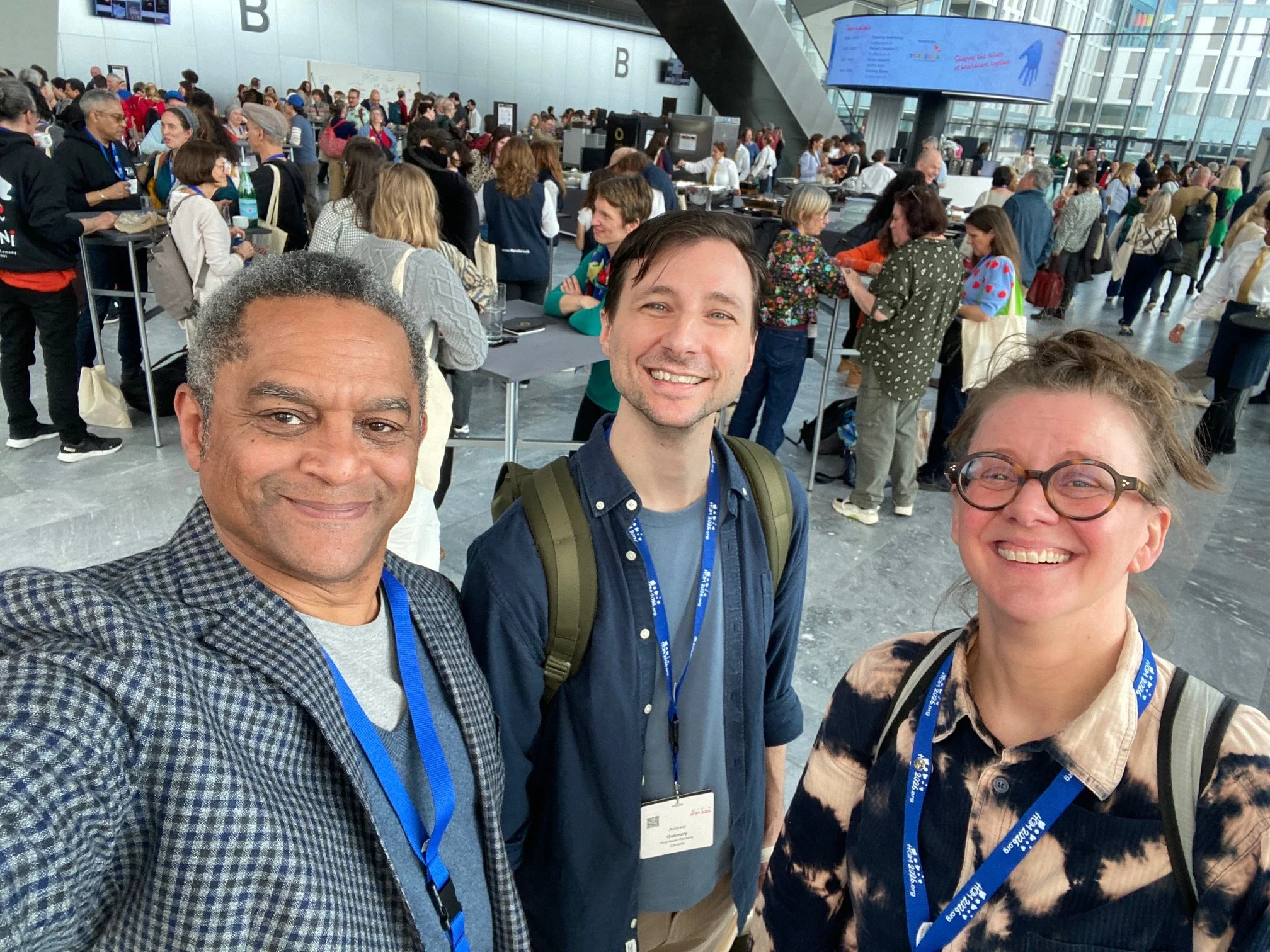
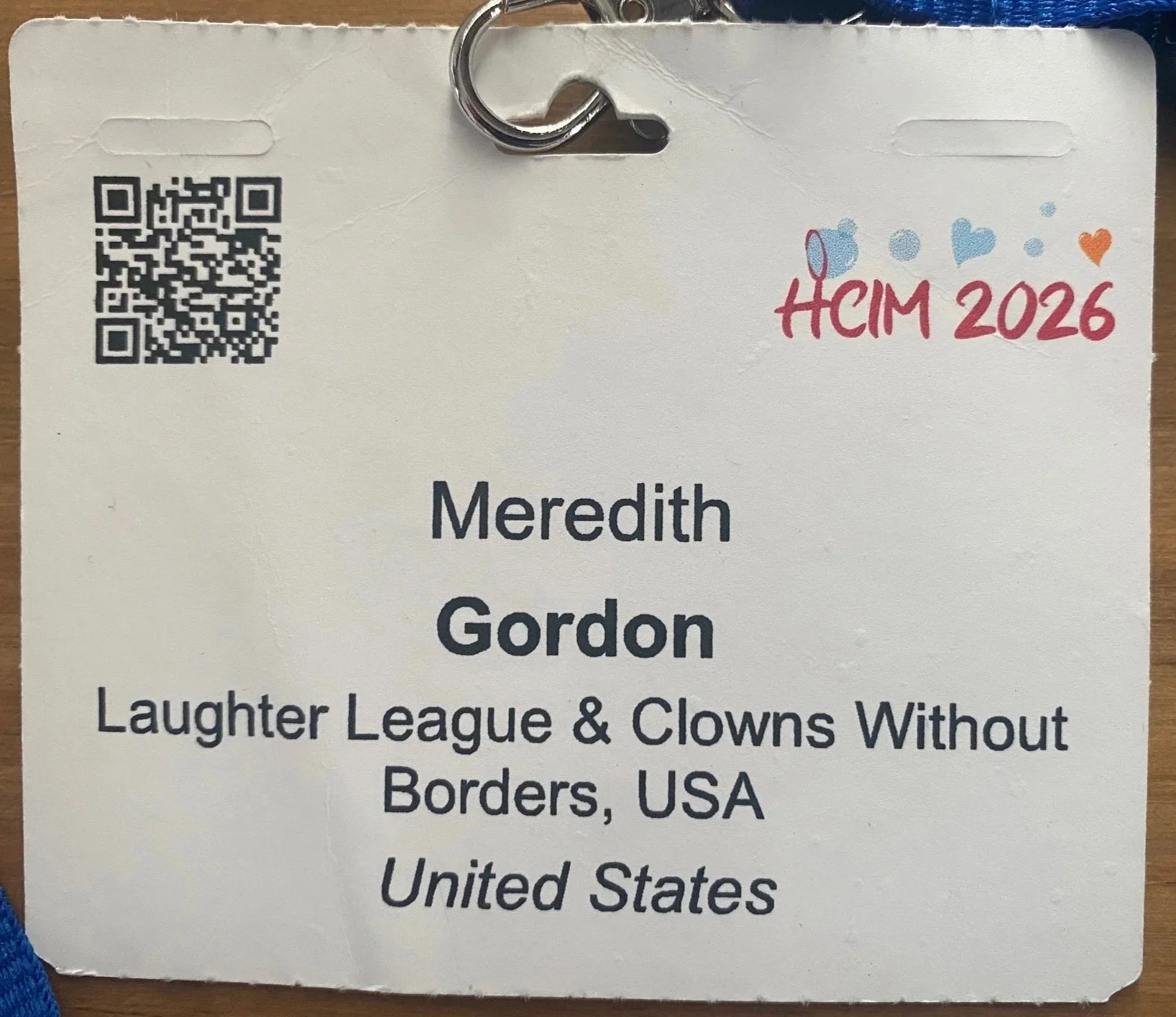
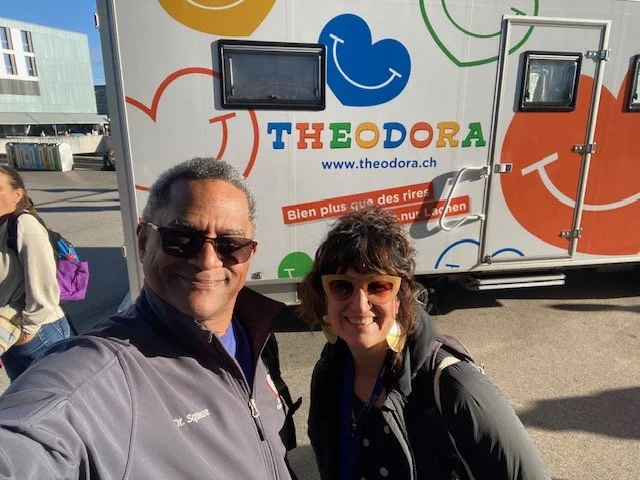
Last week, I found myself in Lausanne, Switzerland, a 40-minute train ride from Geneva, surrounded by 650 people who, in one way or another, have chosen the strange and beautiful path of healthcare clowning. It was HCIM, the Healthcare Clown International Meeting. There were attendees from 45 countries and 152 healthcare clown organizations represented. It is not often that you get to be in a room where everyone understands—deeply—what it means to walk into a hospital room with a red nose and an open heart.
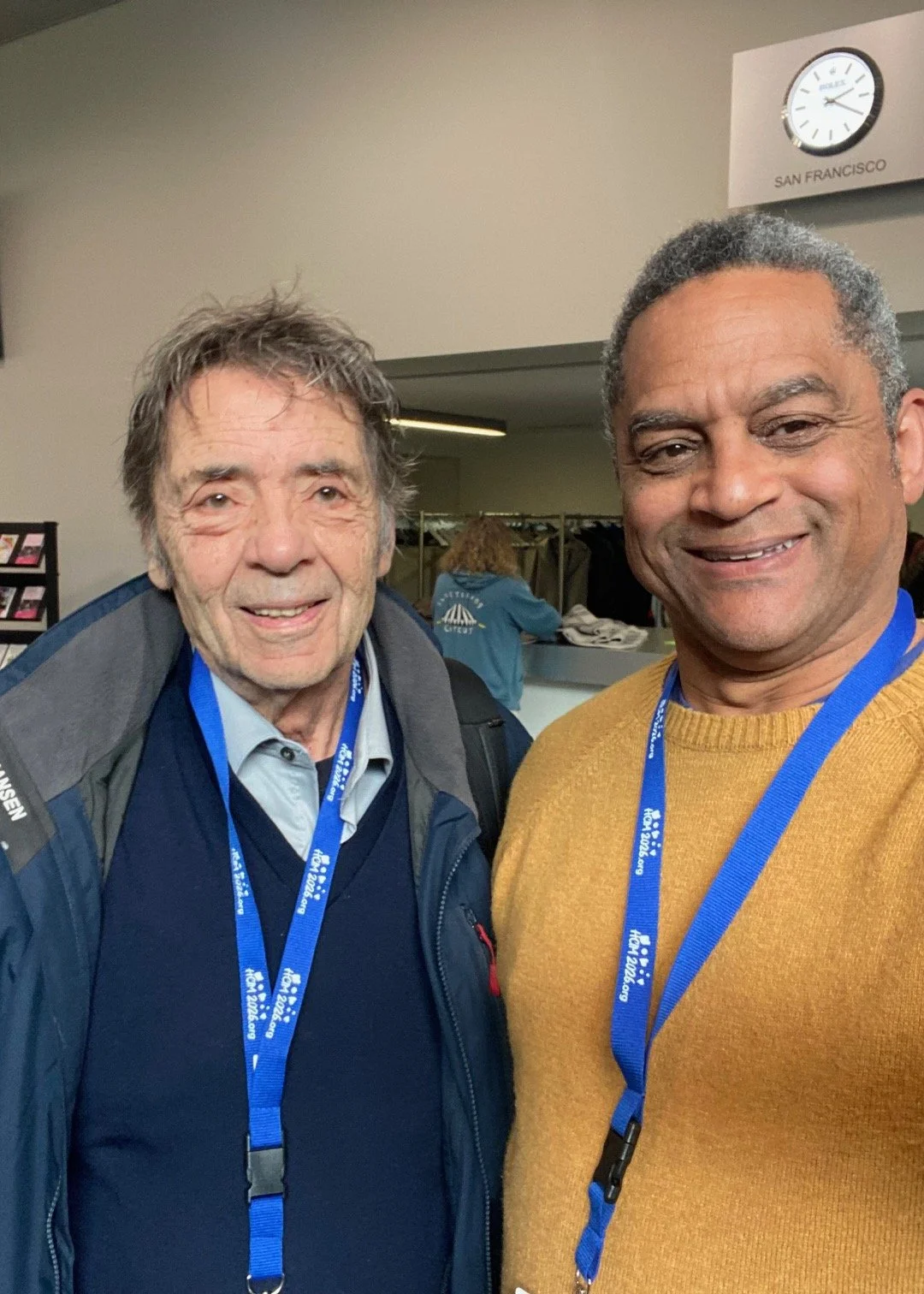
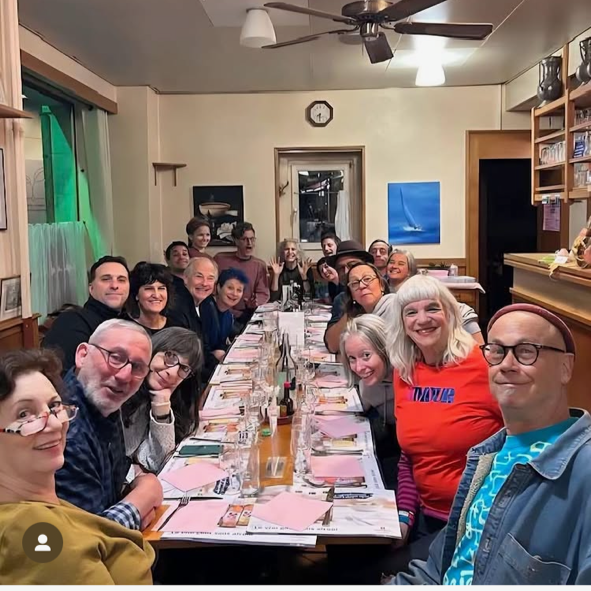
It was wonderful to see so many familiar faces from across the healthcare clown world, people I have known for years, some for decades. And just as meaningful, it was a chance to make new friends—people who speak different languages, come from different systems, but somehow do the same work.
One of the highlights for me was seeing Michael Christensen involved in some of the early ceremonies. Michael, from the former Big Apple Circus and the Clown Care Unit, is widely credited with helping create this style of work more than 40 years ago. Watching him there felt a bit like seeing the spark that started a fire that is still spreading. As a former member of the Big Apple Circus, Clown Care Atlanta, I can proudly say I’m one of the clowns trained under that program in 2000 while Michael was there. What began as an idea—bringing clowning into hospitals—has become a growing field that continues to evolve. And yet, at its core, it remains rooted in something very simple: connection.
While at the conference, I had the opportunity to be part of a panel discussion I created titled “Laughing in the Lion’s Den.” The focus was on doing our work amid the current political climate. I am grateful to Sabine Choucair from Lebanon, founder of Clown Me In, and Chiara Manavella from Austria ,Red Noses International for joining me in that conversation. And thanks to the HCIM staff for making space for it. The panel was well attended, which tells me that many of us are wrestling with the same questions. When I first had the idea for this panel, the political environment already felt complicated. Being from the United States, I was aware that our national context can create tension when working internationally. But now, with the current U.S. attacks in Iran and so many other global tensions unfolding, the conversation feels even more urgent. This issue has come up in my work with Clowns Without Borders, USA. How do we show up as clowns—figures of play, vulnerability, and humanity—when the world around us feels increasingly divided? How do we carry both awareness and openness into the room? We had a lively discussion. We didn't come out with an ultimate answer. However, the vital need for our work is to clear.
Another moment that stayed with me was a session led by Dr. Baruch Krauss titled “The Art of Connecting with Children.” I found it fascinating. For many of us, the work we do has been shaped over years of experience. We often describe it as instinctual—and it is. You develop a sense of timing, of presence, of when to move closer and when to step back. What Dr. Krauss offered was something different: a scientific and psychological framework for understanding those same instincts. He articulated not only what we do, but why it works—when certain approaches help a child feel safe, and how connection can be built in very specific, intentional ways. For me, this was both affirming. It validated the work many of us have been doing for decades, while also making it more teachable. I can’t hand someone my instincts and say, “Here, use these.” And I can’t absorb someone else’s intuition by watching them. But a clear, thoughtful methodology and an explanation for why it works. That can be shared. That can be practiced. That can help someone grow into the work with confidence rather than uncertainty. What I appreciated most was that it didn’t diminish the artistry of the work—it clarified it. It gave language and structure to something that often lives just beyond words.
This was my third time attending HCIM. Previously, I attended the meeting in Vienna, Austria, in 2018, and the meeting in The Hague, Netherlands, in 2022. This year's meeting marked my first time attending as a member of the Laughter League. Our team here in Atlanta has gone through a few name changes over the years, but the work has continued. I'm especially proud of what we’ve been able to build and sustain over the past couple of years. At this conference, I saw many former colleagues from different organizations. No matter where we come from, there is a shared commitment to making the work better—for patients, for families, and for each other. That sense of collective purpose is something I don’t take for granted.
It was also especially meaningful to meet several people, IRL (In real life) —people I had only known virtually over the past few years. Some told me they had taken one of my online classes, which is always a bit surreal and humbling. You get to laugh together in real time, rather than through small rectangles on a screen, which, for clowns, feels like the most natural thing in the world.
This year at the conference, I made sure not to miss the musical sessions organized by Jon Luongo from Healthy Humor. During our lunch break, Jon organized these musical get-togethers where clown musicians can share and learn each other's songs. Those moments, sitting in a circle making music together, felt like the heart of the conference. Being in a musical circle, making something together with friends, both old and new, creates a kind of instant community. It’s not about performance. It’s about participation. It’s play, it’s collaboration. You just jump in, listen, respond, and suddenly you’re part of something shared. For me, it’s one of the purest expressions of what we do.
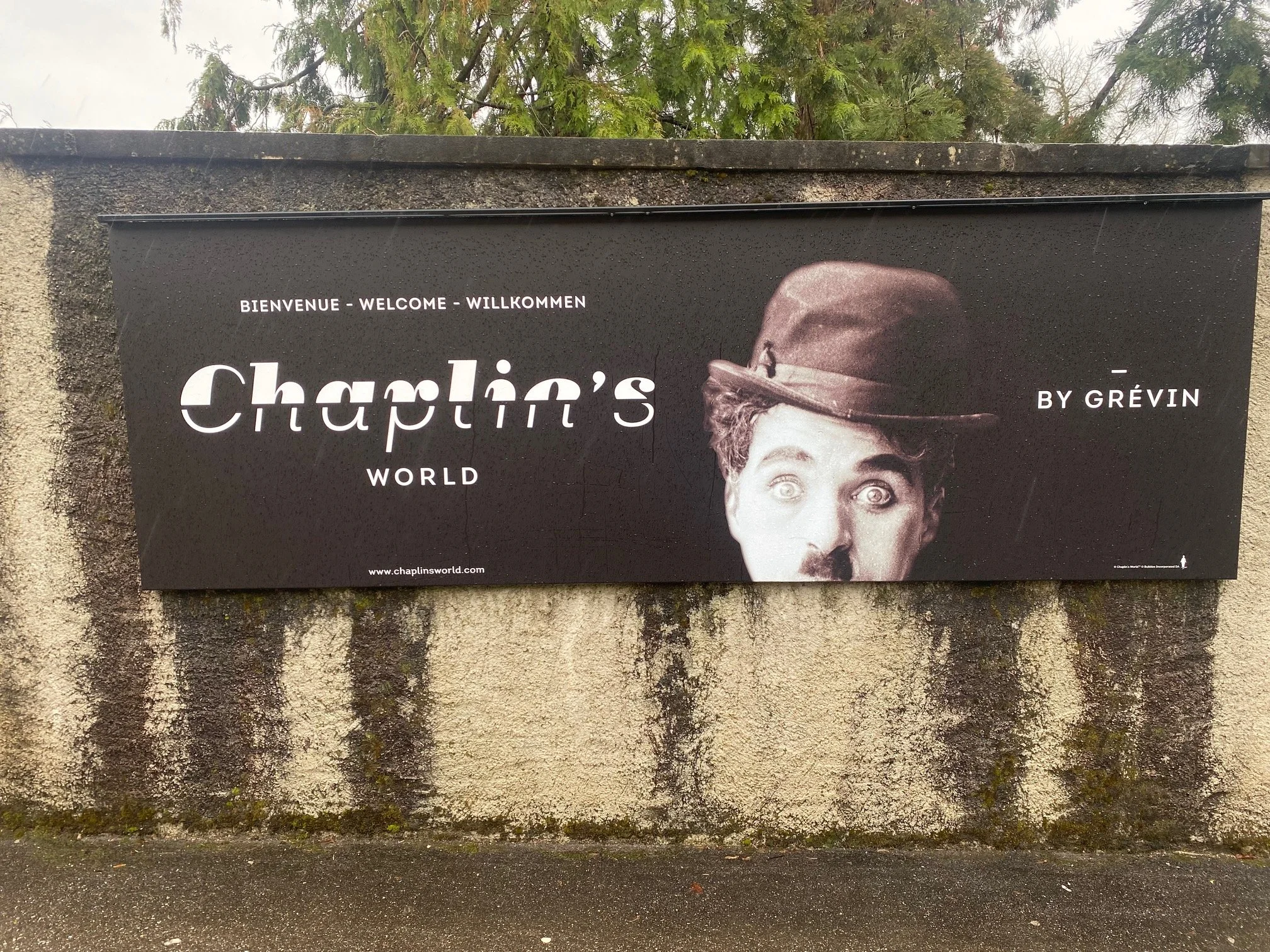
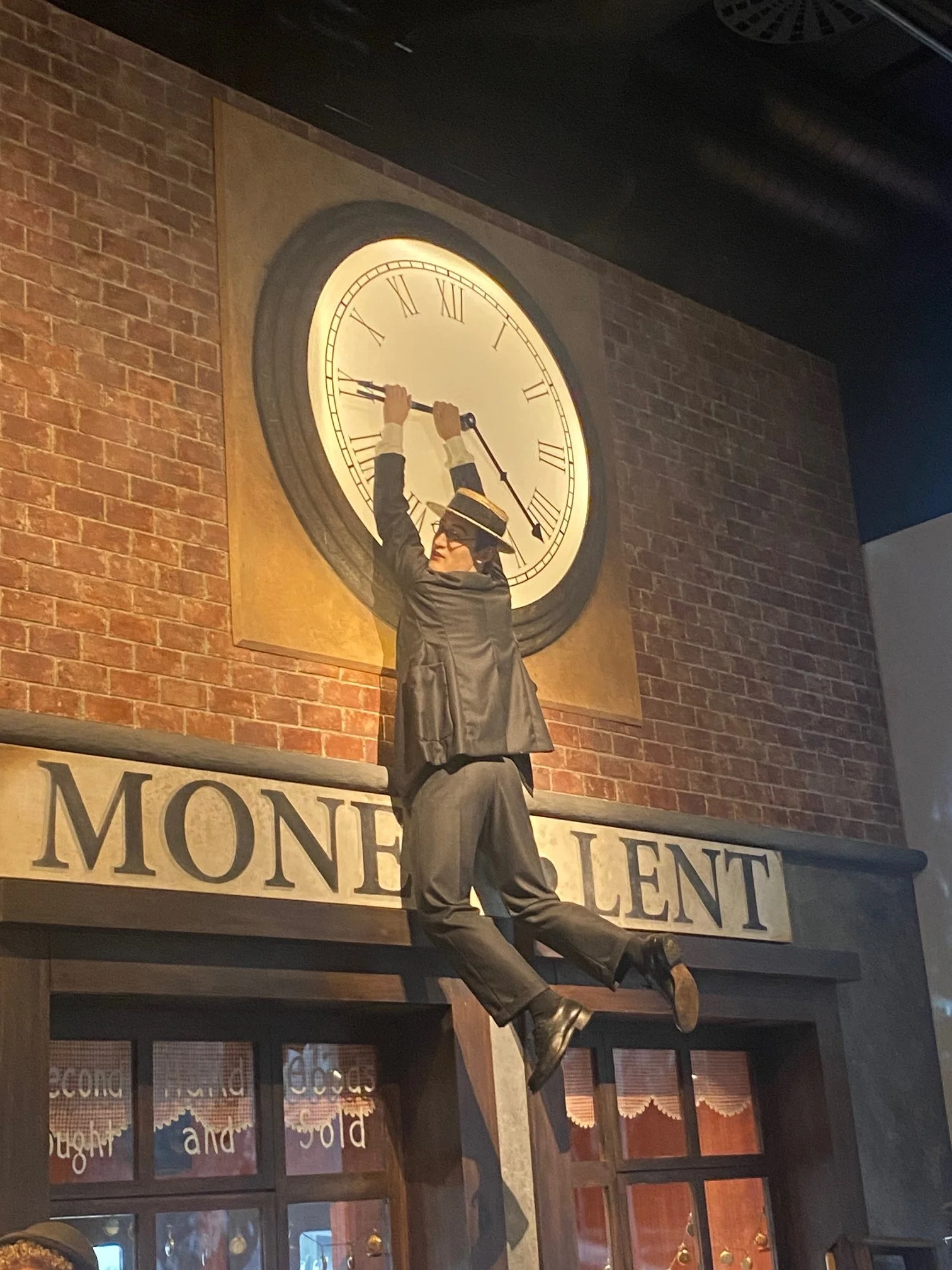
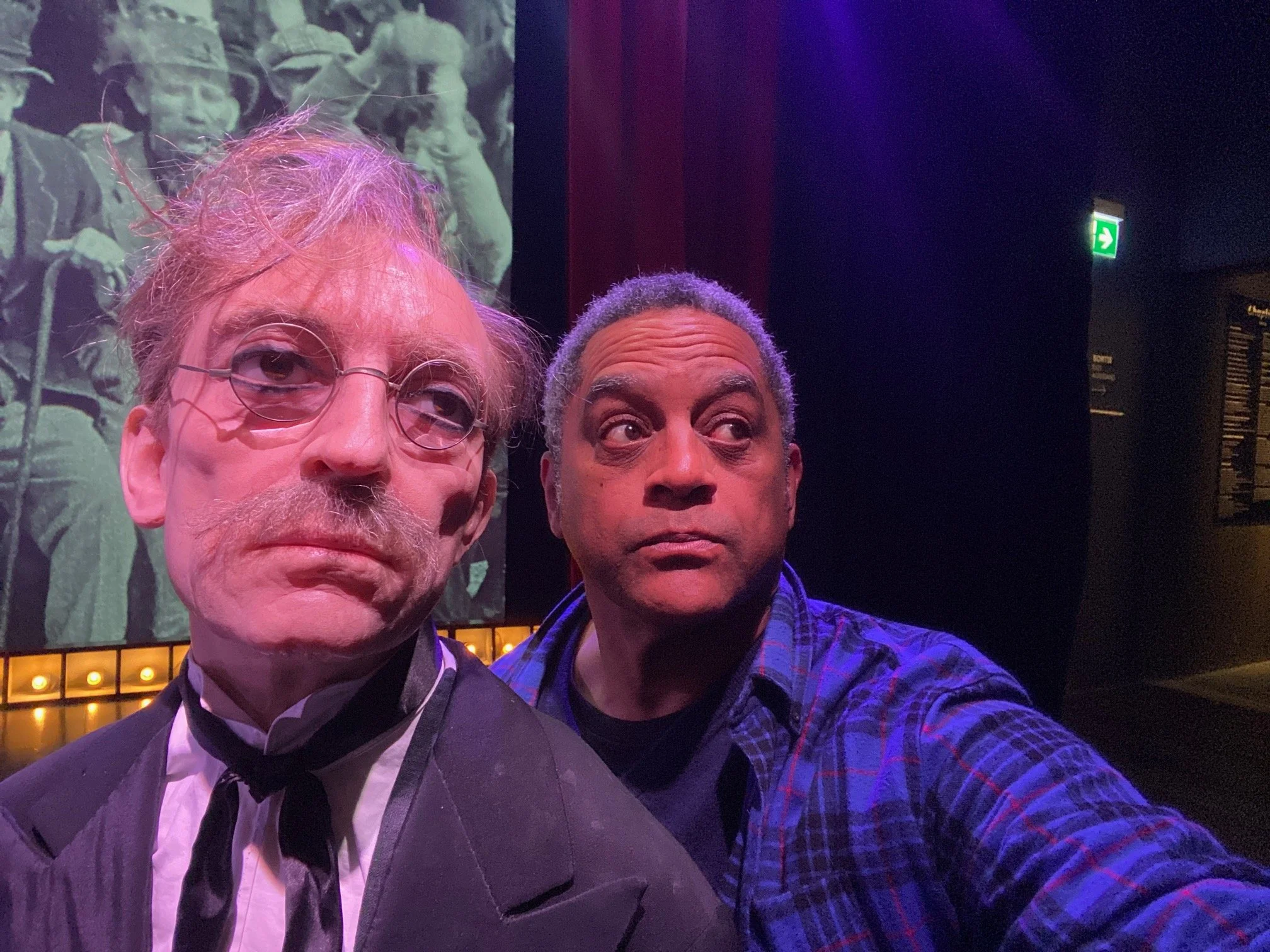
After the conference ended, I went to the Charlie Chaplin Museum in Vevey, Switzerland. I got a little lost when I decided to walk from the train station to the museum instead of taking the bus. Eventually, I found my way. The museum was impressive, covering Chaplin’s life and films. There were also thoughtful nods to other filmmakers of that era, including Buster Keaton—one of my personal favorites—and Harold Lloyd.
Walking through that space, I was reminded that what we do as clowns is part of a longer lineage. The tools may change, the settings may shift—from silent-film sets to hospital rooms to refugee camps—but the essence remains. It’s about presence. It’s about connection. It’s about finding a way to be human together, even in the most unlikely places.
#HCIM2026